Healthcare
Making Friction Visible: Rebuilding Dental Websites Around Patient Conversion
Evaluating digital friction across dental practices, redesigning sites around patient journeys
Understanding The Starting Point
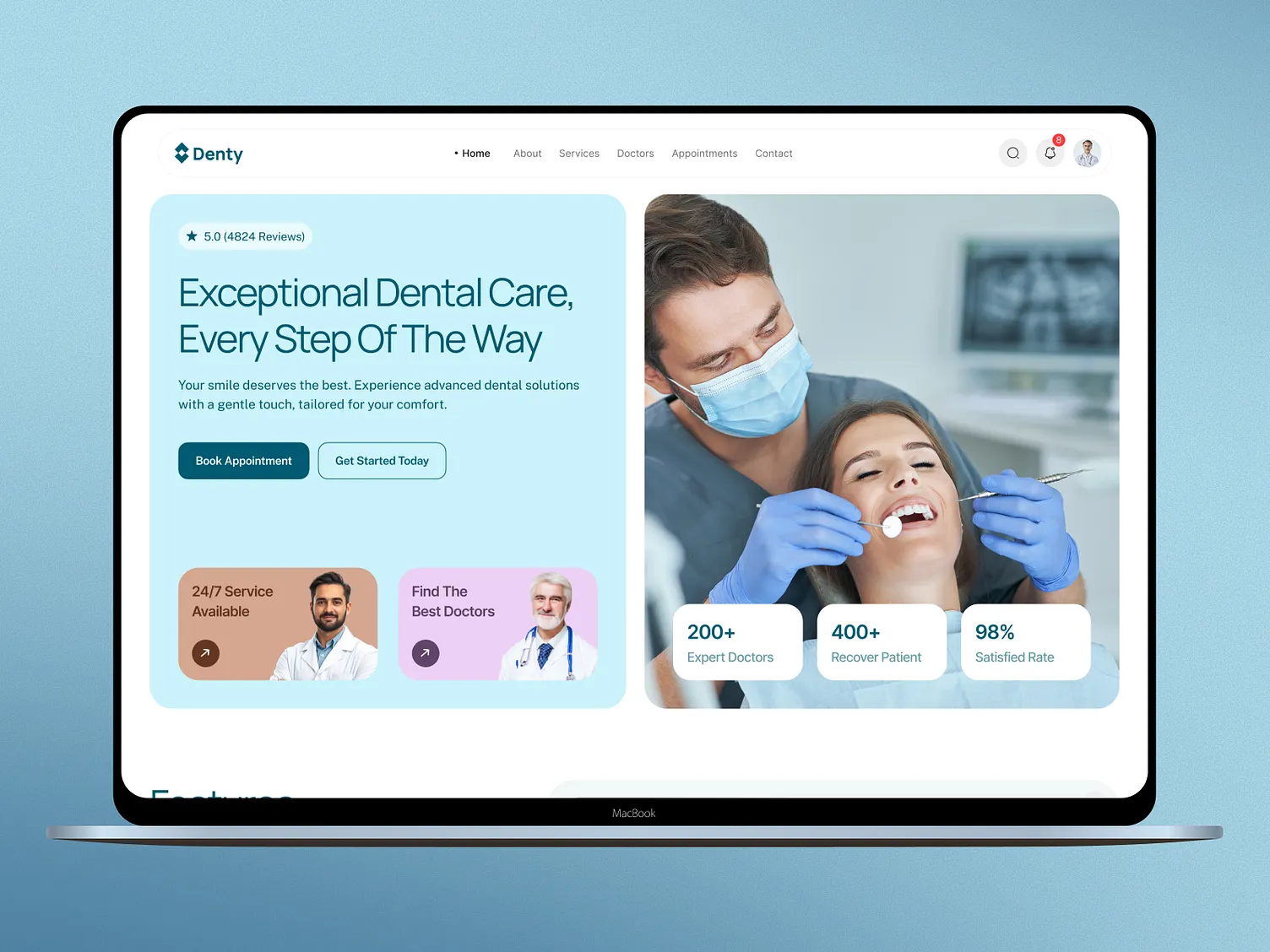
When we reviewed the websites of several independent dental practices, the pattern was clear. Visibility was not the issue. The sites received steady traffic from local search, existing patients, and paid listings. The breakdown happened after people arrived.
Across the group, average appointment request conversion sat at 1.9% of visits. Some practices were lower at 1.3%, the highest was 2.4%. Mobile bounce rates ranged between 58% and 66%. Only 12% of visitors reached a booking form and fewer than 5% viewed key trust content such as dentist profiles or patient reviews.
From patient interviews and staff feedback we saw the same story. People found the practice online, felt unsure or overwhelmed, and either called reception with basic questions or abandoned the search entirely. The websites were not actively helping patients decide. They were adding friction.
Mapping Digital Friction
We ran a light analytics and behavioural audit across the sample.
Key issues emerged.
Homepages tried to do everything at once, resulting in dense layouts and competing messages
Navigation used internal language rather than patient language, causing confusion on mobile in particular
Treatment pages were text heavy, clinic first rather than patient first, and lacked simple explanations of outcomes or timelines
Contact and registration forms asked for 15 to 20 fields of information before confirming an appointmen
Call to action buttons changed wording and style from page to page, making the next step unclear
Heatmaps showed that on many pages more than 70% of users dropped off before the main call to action. Scroll depth on mobile was shallow, with only 28% of visitors reaching the mid page content where key reassurance elements sat.
In other words, every part of the journey contained small points of friction that, together, pushed patients away.
Designing A Low Friction Patient Journey
Our objective was straightforward. Reduce digital friction at each step so more visits became confident appointment requests.
We reframed each site around 3 patient questions.
What do you offer
Can I trust you
How do I book
Homepages were rebuilt to answer these questions within the first screen. We introduced a single primary call to action – “Request An Appointment” – and a secondary option for nervous or emergency patients. Both CTAs were repeated consistently through the site.
Navigation was simplified to 5 core items: Treatments, Fees, Team, Patient Info, Contact. On mobile, we added persistent tap targets for “Call”, “WhatsApp”, and “Book Online”, which aligned with observed behaviour in younger and time poor patients.
Treatment pages were rewritten in plain language. Instead of leading with clinical detail, we structured each page around outcome, process, timeframe, and aftercare. We highlighted typical treatment durations, high level pricing bands, and key reassurance points (pain management, flexibility of finance, technology used). This reduced ambiguity and answered the questions reception teams were handling repeatedly.
Forms were redesigned to match the decision stage. New patient enquiries were limited to 6 fields: name, contact details, preferred time, and treatment interest. Detailed medical information was moved to a later stage. For existing patients, we introduced a short “returning patient” form with 4 fields. Early tests showed abandonment rates dropping by more than 40% once perceived effort was reduced.
Design updates focused on clarity and trust rather than decoration. We introduced consistent typography, more whitespace, and clear visual hierarchy. Dentist profiles, GDC numbers, and membership logos were placed higher on key pages. On mobile, trust markers appeared before long paragraphs of copy so patients saw reassurance early.
Implementing And Testing Across Practices
Although branding and locations differed, we applied the same underlying framework across all participating practices.
Each site included.
A focused hero section with 1 main CTA and 1 safety net option
Dedicated landing pages for high value treatments such as implants, Invisalign, and hygiene plans
Prominent phone and WhatsApp contact options visible on every page
Reusable layout blocks for testimonials, fee ranges, and finance options
Analytics events for calls, WhatsApp taps, form submissions, online bookings, and key page scroll thresholds
We treated the first 90 days after launch as a controlled testing period. During this time we monitored:
Appointment request conversion
Form drop off by field
Clicks on phone and WhatsApp calls
Scroll depth and time on page for core treatments
Where data showed friction – for example, a sharp drop before a finance explanation or weak engagement with a particular CTA – we iterated. Small adjustments to copy, button labels, and information order were made every 2 to 3 weeks.
By the end of the test period, the sites behaved differently. Patients moved through the journeys with fewer dead ends, and the practices had a clearer view of how digital activity translated into appointments.
“When you pair unexpected and revealing strategy with unrivaled creativity, the potential for impact is limitless.”
Transformational Results
Over 6 months we compared performance against the previous 6 month baseline for the group of practices.
Headline outcomes.
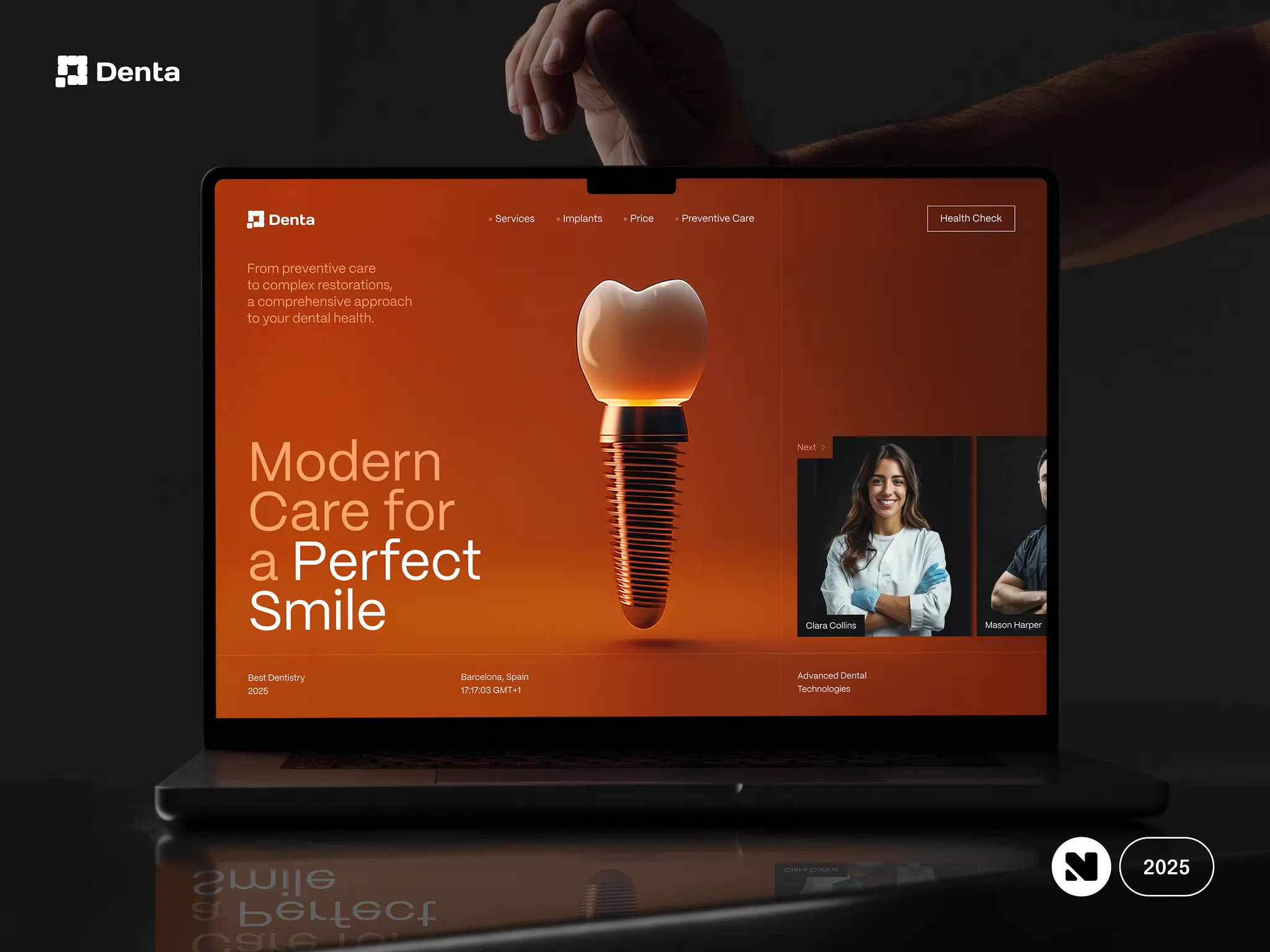
Average appointment request conversion increased from 1.9% to 5.6%, with top performing practices reaching 6.3%
Mobile bounce rate dropped from an average of 62% to 45%
The share of visitors reaching a booking form rose from 12% to 34%
New patient enquiry form completion improved by 71% after field reduction and clearer messaging
Clicks on prominent phone and WhatsApp CTAs increased by 52%, showing stronger intent from mobile visitors
The proportion of website generated patients starting private treatment grew by 21%, reflecting better alignment between information, trust signals, and high value treatment pages
Operational feedback reinforced the quantitative results. Reception teams reported fewer “confused” calls and shorter time spent explaining basic logistics, freeing capacity for more complex queries. Practice owners noted that patients arrived with clearer expectations about treatment options and costs.